
Wallpaper Materials Guide
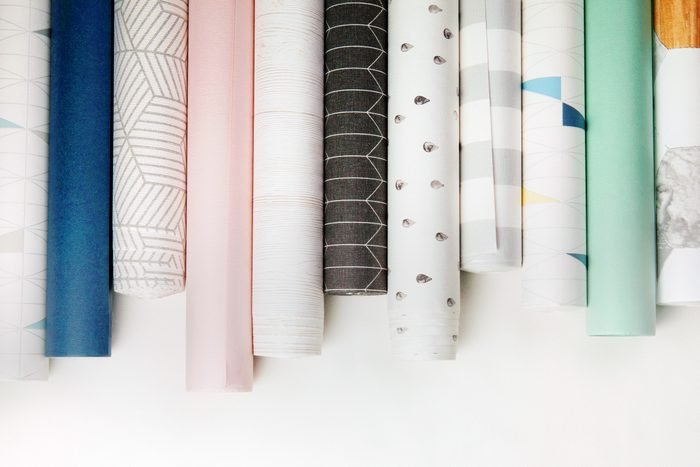
One of the biggest misconceptions about wallpaper is that choosing a pattern is the hardest part.
It’s usually not.
More often, the thing that determines whether someone loves their wallpaper long-term comes down to the material itself.
Some wallpapers are delicate and textural. Some are incredibly durable. Some are easy to remove. Others require a little more planning and wall prep before installation. And while two wallpapers might look almost identical in a photo online, they can behave very differently once they’re actually on your walls.
That’s why wallpaper is one of those things that really benefits from seeing samples in person. Texture, finish, sheen, seams, softness, and durability are all difficult to understand through a screen.
If you’ve ever wondered what terms like “non-woven,” “grasscloth,” or “performance vinyl” actually mean, this guide is for you.
Traditional Paper Wallpaper (Non-Pasted)
Traditional paper wallpaper is often what people picture when they think of classic wallpaper. Many heritage brands and artist-designed wallpapers fall into this category because paper tends to hold color and detail beautifully.
These wallpapers can feel rich, soft, layered, and incredibly artistic once installed.
That said, traditional paper wallpapers are usually a little less forgiving than more modern performance materials. They generally don’t love excess moisture, and they aren’t typically as scrub-able as vinyl products.
I often recommend traditional paper wallpapers for:
dining rooms
bedrooms
powder baths with good ventilation
ceilings
lower-traffic areas
And despite the name, “paper” absolutely does not mean cheap. Some of the most beautiful luxury wallpapers on the market are traditional paper wallpapers.
Non-Woven Wallpaper
Non-woven wallpaper is probably the most common material category I work with today, especially in residential homes.
Clients hear the term constantly, but most people have no idea what it actually means.
Non-woven wallpapers are made from a blend of natural and synthetic fibers, which helps make them more stable during installation. They’re often easier to install and easier to remove later compared to older wallpaper materials.
Many non-woven wallpapers are also “paste-the-wall,” which means the installer applies paste directly to the wall rather than soaking the paper itself.
A few reasons I love non-woven wallpapers:
they’re breathable
they tend to remove more cleanly
they expand and contract less during installation
they work beautifully in most residential spaces
If someone wants a high-quality wallpaper that balances beauty and practicality, non-woven is often a great place to start.
Pre-Pasted Wallpaper
Pre-pasted wallpaper already has adhesive applied to the back and is activated with water during installation.
A lot of people assume pre-pasted means lower quality, but that really isn’t true anymore. Some brands are making incredibly beautiful pre-pasted wallpapers now.
One thing I actually like about many pre-pasted wallpapers is that they can be surprisingly beginner-friendly compared to peel-and-stick.
Because the paper can still slide and reposition slightly during installation, installers often have an easier time getting seams aligned properly.
Pre-pasted wallpapers can be a great option for:
nurseries
guest rooms
smaller projects
confident DIYers
Peel-and-Stick Wallpaper
Ah yes. Peel-and-stick wallpaper. Possibly the most misunderstood category in the wallpaper world.
I know it’s tempting. The marketing makes it sound incredibly easy.
Sometimes it works beautifully. Sometimes it becomes a complete nightmare.
Peel-and-stick wallpaper tends to work best for:
renters
temporary spaces
furniture projects
very smooth walls
small accent areas
But textured walls, humidity, imperfect drywall, and larger installations can all create challenges.
One of the biggest things people don’t realize is that peel-and-stick wallpaper is less forgiving during installation. Once it sticks to itself or the wall incorrectly, repositioning can become difficult very quickly.
Ironically, many professional installers actually find traditional pasted wallpaper easier to work with than peel-and-stick.
For most full-room residential installations, I still typically lean toward traditional or non-woven wallpapers over peel-and-stick.
Natural Textures: Grasscloth, Raffia, Cork, and Woven Wallpapers
Natural wallpapers are where things get really beautiful.
Grasscloth, raffia, cork, woven papers, and other natural textures bring warmth and depth to a room in a way printed wallpapers simply can’t replicate.
These materials often feel more like architectural finishes than wall coverings.
But they also come with important expectations clients should understand before ordering.
Natural wallpapers typically include:
visible seams
shading variation
color variation
panel differences
irregular texture
That variation is part of the beauty.
No two panels are exactly identical because these materials are often handcrafted using real natural fibers.
This is one of the reasons I always encourage clients to see natural wallpaper samples in person first. Photos online rarely show how much texture and movement these materials actually have.
Grasscloth vs Faux Grasscloth
This deserves its own section because people confuse these constantly. Real grasscloth is made from natural fibers and has all of the variation mentioned above. Faux grasscloth is designed to mimic that look while giving a more uniform appearance.
Real grasscloth:
highly textured
naturally varied
visible seams
delicate
not ideal for moisture-heavy spaces
Faux grasscloth:
more consistent
easier to clean
often more durable
better for bathrooms and high-traffic areas
There isn’t a “better” option here. It really comes down to priorities. Some people love the handcrafted imperfections of real grasscloth. Others want the look without the maintenance or seam visibility.
Performance Vinyl Wallpaper
Performance vinyl has come a long way. Years ago, vinyl wallpaper often had a reputation for looking shiny or commercial. That’s really changed.
Now there are incredible performance vinyls that convincingly mimic linen, grasscloth, raffia, plaster, silk, and woven textures while being dramatically more durable.
Performance vinyl is often my recommendation for:
commercial spaces
restaurants
bathrooms
kitchens
kids spaces
high-traffic areas
Many are scrubbable, highly durable, and easier to maintain long-term and honestly, some of the newer textured vinyls are so convincing that most people would never know they aren’t natural materials.
The Material You Choose Should Match the Room
This is where wallpaper selection becomes less about trends and more about lifestyle. A wallpaper that works beautifully in a formal dining room may not be the best fit for a busy kids bathroom.
A few examples:
natural grasscloth in a humid bathroom usually isn’t my first recommendation
performance vinyl can be amazing for commercial spaces or homes with kids
non-woven wallpapers work beautifully for most residential applications
peel-and-stick is often better for temporary projects than forever homes
The “best” wallpaper material depends on:
the room
the wall condition
moisture levels
durability needs
installation goals
and honestly, personality
The good news is there isn’t one “best” wallpaper material. There’s just the best material for your space, your walls, and the way you live.
Sometimes that’s a richly textured natural raffia. Sometimes it’s a performance vinyl that can survive kids, dogs, and everyday life. Sometimes it’s a delicate traditional paper that turns a dining room into something truly special.
The key is understanding what you’re choosing before installation day and that’s why you’ve got The Wallpaper Concierge to help you decide!
